

On March 2, 1993, the Computer History Museum records a moment that reads like a template for today’s AI hardware race. The New York Times reported that Japan’s National Institute for Fusion Science announced a Japanese supercomputer designed by NEC could perform the tasks the institute required, and Cray Research insisted on testing the machine itself before accepting the claim. https://www.computerhistory.org/tdih/march/2/
That small detail, insisted on testing, is the whole story. In high performance computing, performance is never just a number, because the number depends on what you run, how you run it, what you count, and what you quietly ignore. The moment a procurement decision is on the line, benchmarks stop being technical trivia and become the arena where engineering, credibility, and national ambition collide.
If that feels familiar, it should. AI infrastructure is repeating the same cycle, only faster and louder. Vendors can show dramatic tokens per second or training throughput, but operators care about what happens under real workloads, real latency targets, real memory constraints, and real power limits. That is one reason MLCommons has invested so heavily in MLPerf as a standardized benchmark suite for training and inference, an attempt to make competing systems comparable without letting everyone pick their own favorite test. https://mlcommons.org/benchmarks/
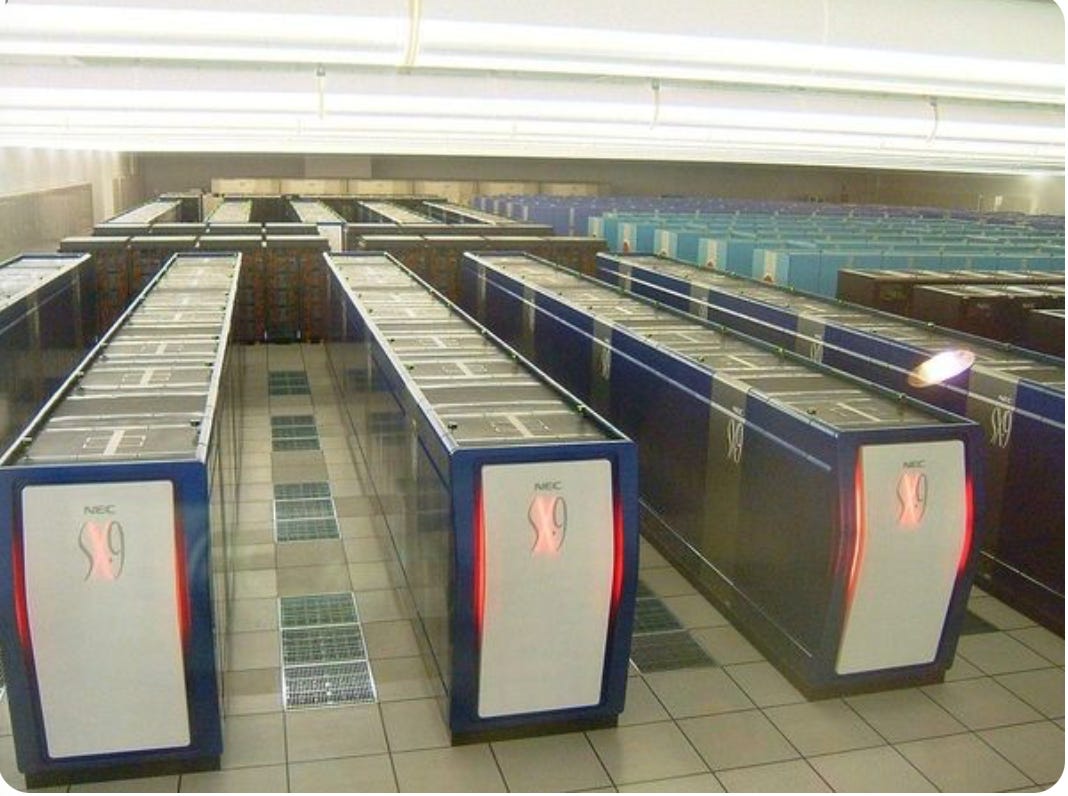
Even within MLPerf, the story is not just raw speed. MLCommons explicitly frames the space as exploding in variety, with many organizations building inference chips and systems spanning huge ranges of power and performance. https://mlcommons.org/benchmarks/inference-datacenter/ Reuters covered this dynamic too, highlighting benchmark tests aimed at response speed for AI applications and the parallel importance of power efficiency. https://www.reuters.com/technology/new-ai-benchmark-tests-speed-responses-user-queries-2024-03-27/
The deeper programming lesson from March 2 is that performance disputes are rarely about a single machine. They are about definitions. What is the workload. What is the acceptance criterion. What is the allowed tuning. What counts as fair. In 1993 it was supercomputers and national labs. In 2026 it is GPUs, inference clusters, and model serving stacks. The arguments rhyme because the constraint is the same: when compute becomes strategic, measurement becomes political, and programmers end up writing the reality behind the claims.